A J G a l l e r y - F i n e C h i n e s e A r t & A n t i q u e s
Chronology of China
Neolithic Period........6500-1700BC
Xia Dynasty........2100-1600BC
Shang Dynasty........1600-1100BC
Zhou Dynasty........1100-256BC
Spring & Autumn........770-475BC
Warring States........475-221BC
Qin Dynasty........221-206BC
Han Dynasty........206BC-220AD
Three Kingdoms.........220-265
Jin Dynasty........265-420
Southern Dynasty........420-581
Northern Dynasty........420-581
Sui Dynasty........581-618
Liao Dynasty........907-960
Jin Dynasty........1115-1234
Yuan Dynasty........1279-1368
Republic of China........1911-1949
The People's Republic of China........1949-today
See our cloisonnes >> See our jade carvings >> See our Chinese paintings >> See our potteries >> See our porcelains >>
* * *
Our cloisonne collections Click image to see details Call us for more other pieces: 212-585-2675 email: aj@ajgallery.com
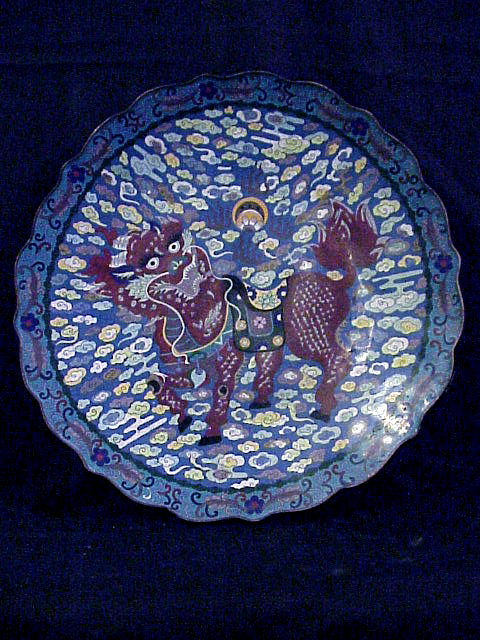
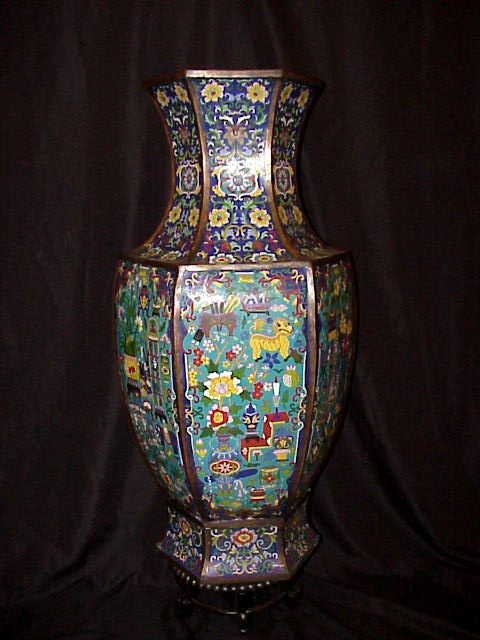
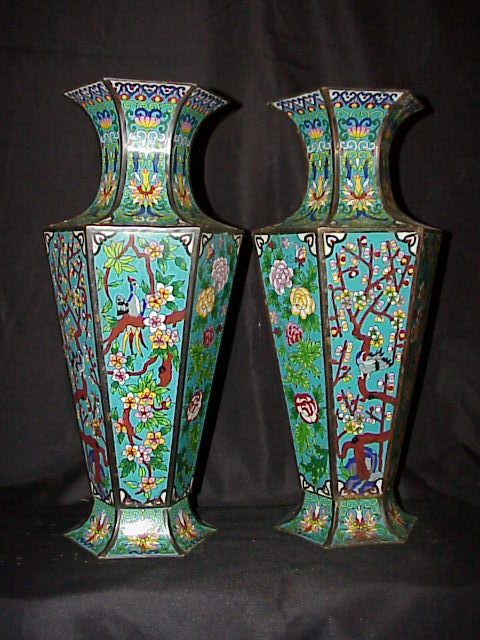
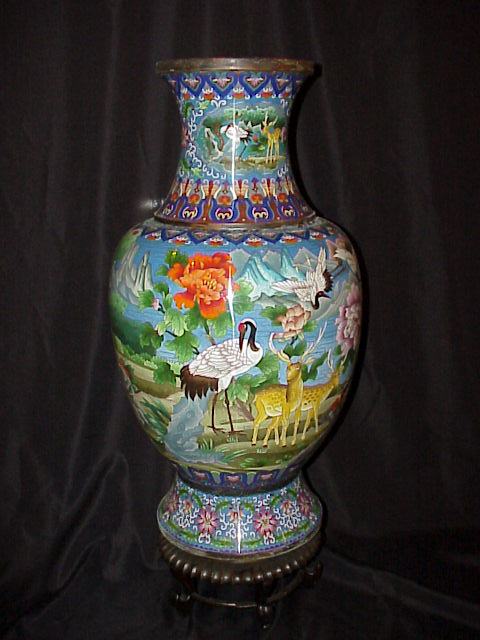
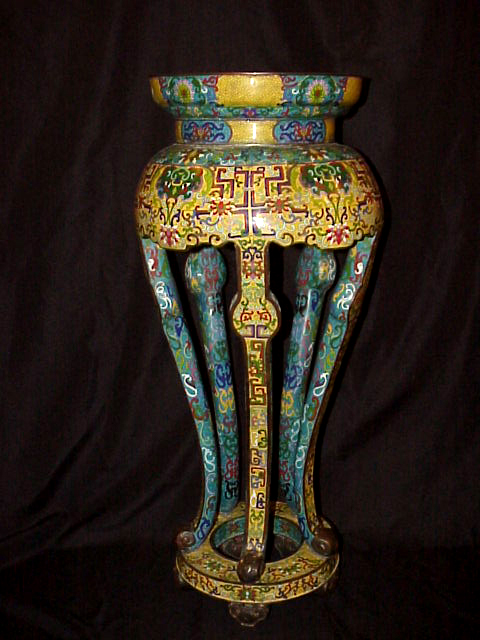
C1 C2 C3 C4 C5 C6 C7
Our jade carving collections Click image to see details Call us for more other pieces: 212-585-2675 email: aj@ajgallery.com
J1 J2 J3 J4 J5
Our painting collections Click image to see details Call us for more other pieces: 212-585-2675 email: aj@ajgallery.com
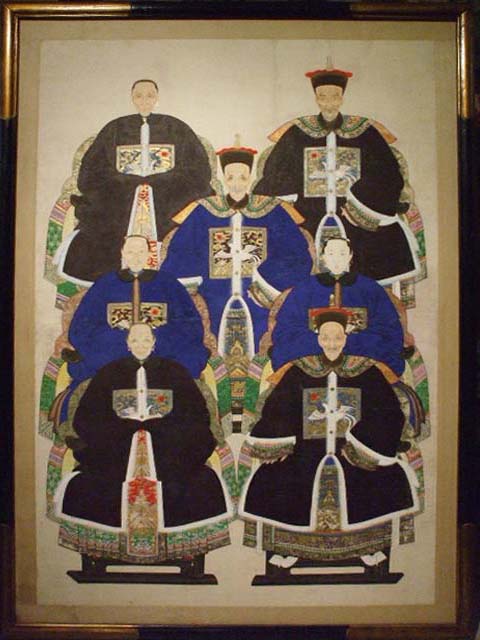
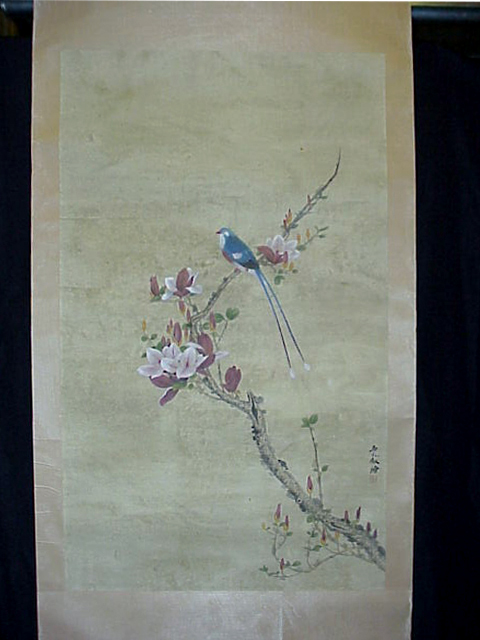
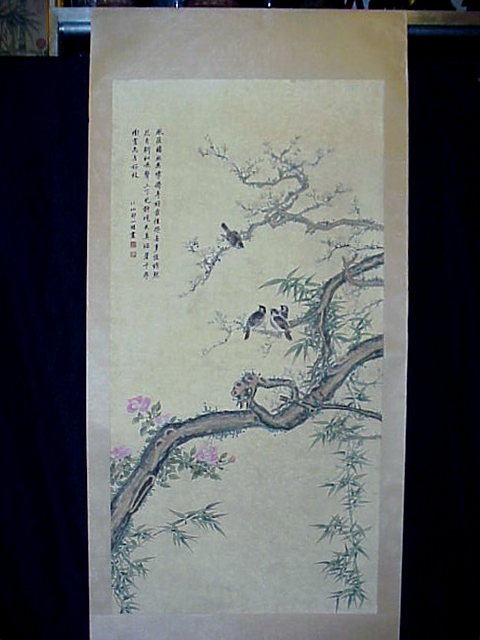
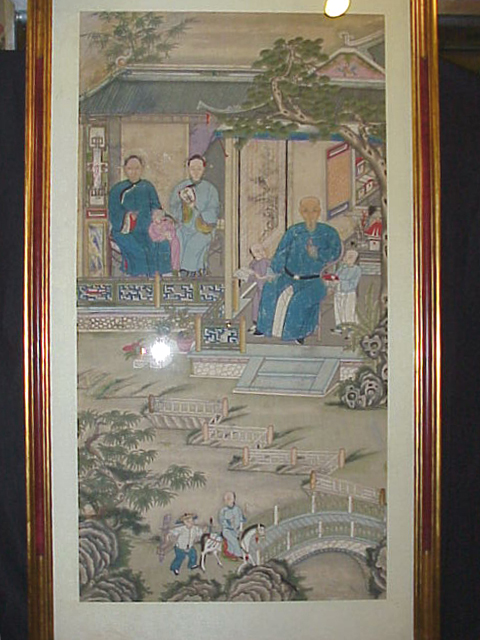
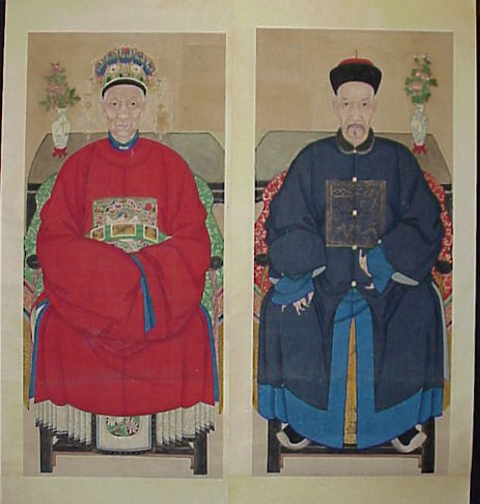
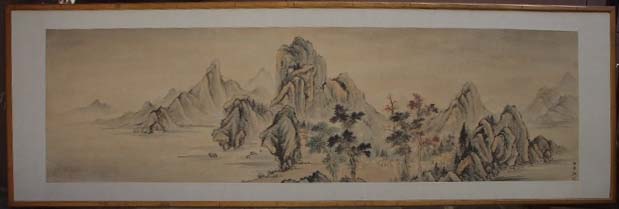
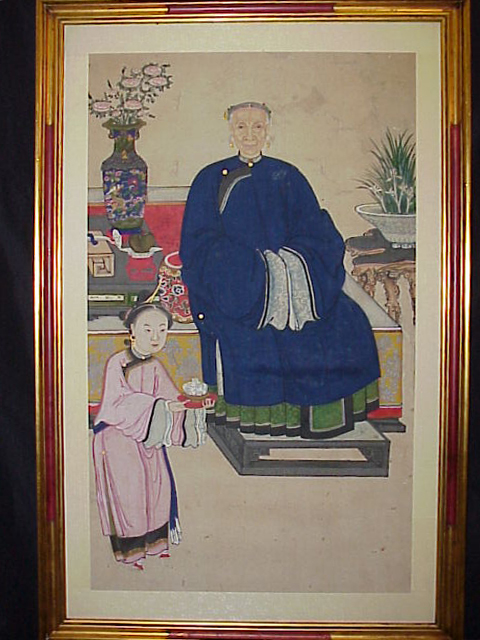
D1 D2 D3 D4 D5 D6 D7
Our pottery collections Click image to see details Call us for more other pieces: 212-585-2675 email: aj@ajgallery.com
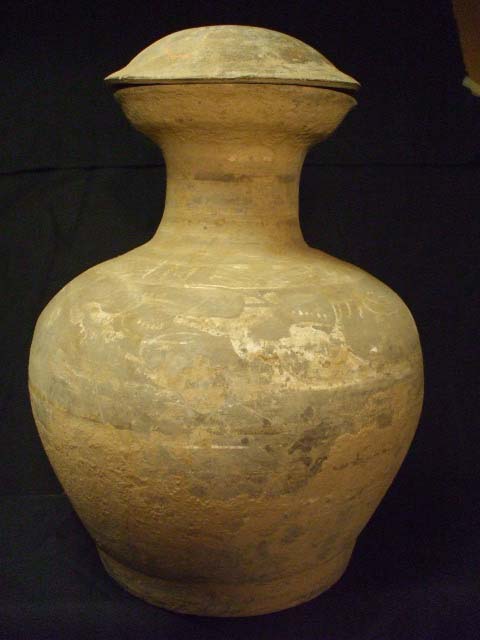
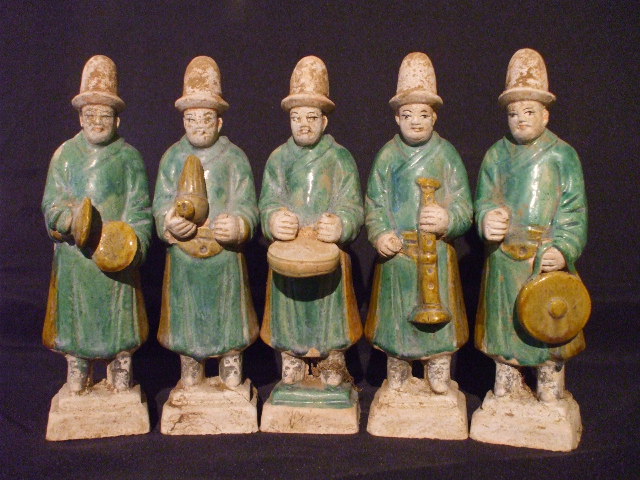
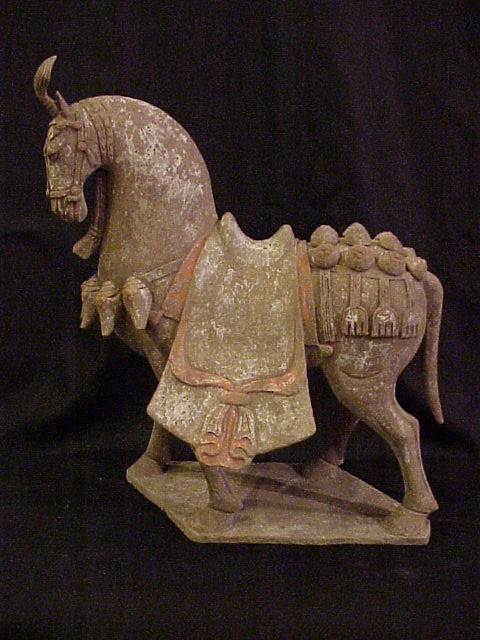
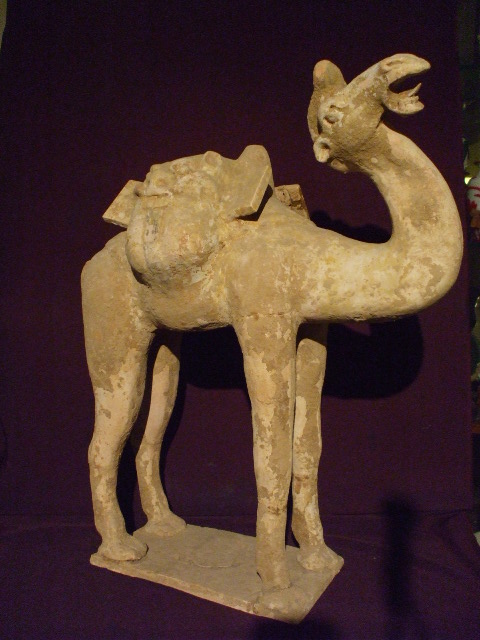
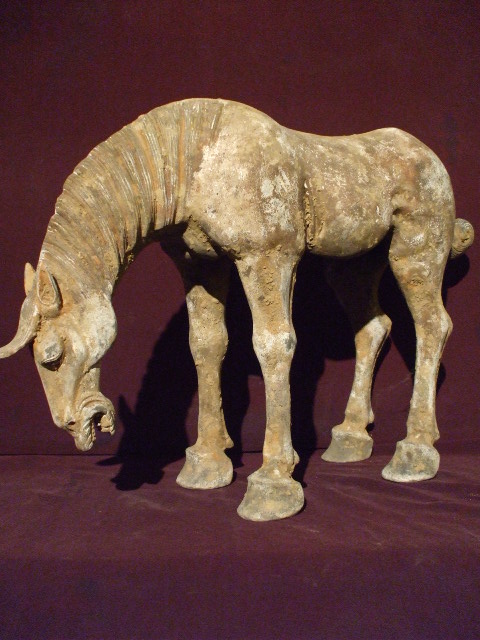
A1 A2 A4 A5 A6 A7 A8
Our porcelain collections Click image to see details Call us for more other pieces: 212-585-2675 email: aj@ajgallery.com
P1 P2 P3 P4 P5 P6
* * *
Our pottery collections Call us for more other pieces: 212-585-2675 email: aj@ajgallery.com << back to top >>
A J G a l l e r y - F i n e C h i n e s e A r t & A n t i q u e s
A J G a l l e r y - F i n e C h i n e s e A r t & A n t i q u e s
 a12 << go
back >>
a12 << go
back >>
A J G a l l e r y - F i n e C h i n e s e A r t & A n t i q u e s
 a13
<< go back >>
a13
<< go back >>
A J G a l l e r y - F i n e C h i n e s e A r t & A n t i q u e s
A J G a l l e r y - F i n e C h i n e s e A r t & A n t i q u e s
a31 << go
back >>
A J G a l l e r y - F i n e C h i n e s e A r t & A n t i q u e s
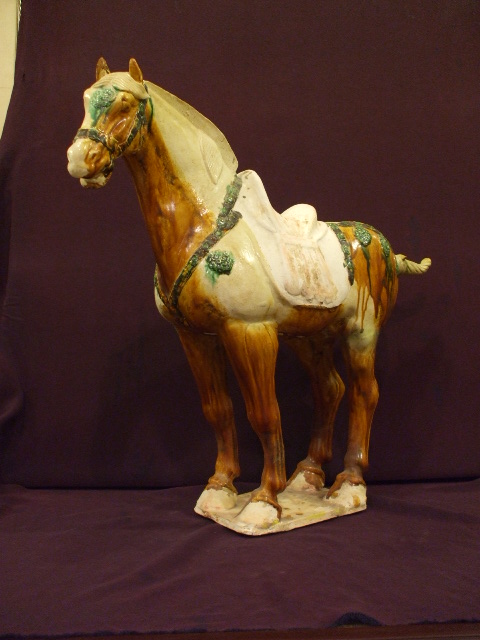 a33 << go
back >>
a33 << go
back >>
A J G a l l e r y - F i n e C h i n e s e A r t & A n t i q u e s
A J G a l l e r y - F i n e C h i n e s e A r t & A n t i q u e s
A J G a l l e r y - F i n e C h i n e s e A r t & A n t i q u e s
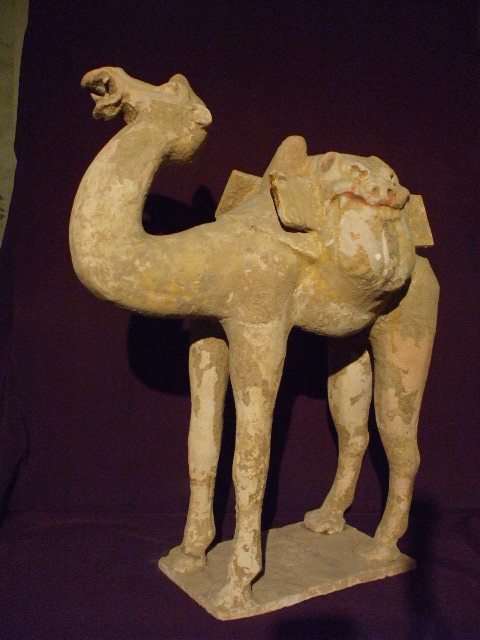 a52 << go
back >>
a52 << go
back >>
A J G a l l e r y - F i n e C h i n e s e A r t & A n t i q u e s
A J G a l l e r y - F i n e C h i n e s e A r t & A n t i q u e s
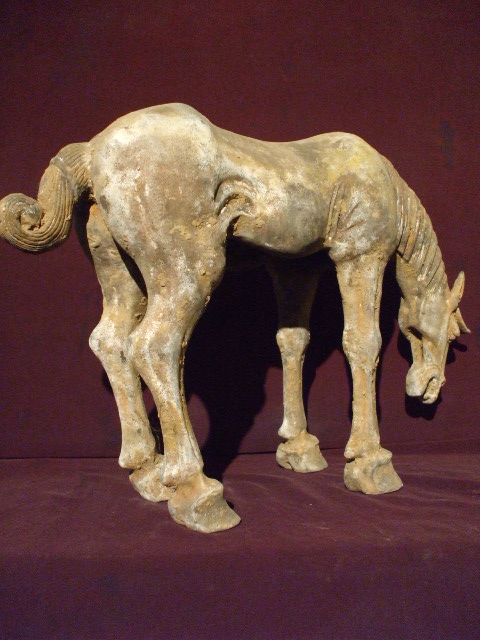 a62 << go
back >>
a62 << go
back >>
A J G a l l e r y - F i n e C h i n e s e A r t & A n t i q u e s
A J G a l l e r y - F i n e C h i n e s e A r t & A n t i q u e s
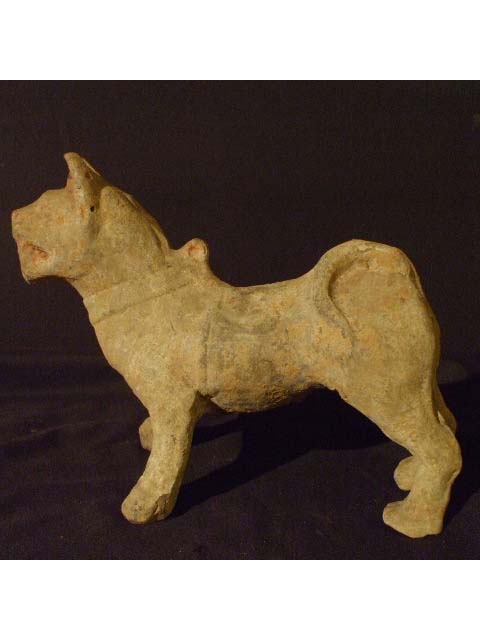 a72 << go
back >>
a72 << go
back >>
A J G a l l e r y - F i n e C h i n e s e A r t & A n t i q u e s
 a73 << go
back >>
a73 << go
back >>
A J G a l l e r y - F i n e C h i n e s e A r t & A n t i q u e s
A J G a l l e r y - F i n e C h i n e s e A r t & A n t i q u e s
 a82 << go
back >>
a82 << go
back >>
* * *
A J G a l l e r y - F i n e C h i n e s e A r t & A n t i q u e s
 b11
b11
* * *
Our cloisonne collections Call us for more other pieces: 212-585-2675 email: aj@ajgallery.com << back to top >>
A J G a l l e r y - F i n e C h i n e s e A r t & A n t i q u e s
A J G a l l e r y - F i n e C h i n e s e A r t & A n t i q u e s
A J G a l l e r y - F i n e C h i n e s e A r t & A n t i q u e s
A J G a l l e r y - F i n e C h i n e s e A r t & A n t i q u e s
A J G a l l e r y - F i n e C h i n e s e A r t & A n t i q u e s
A J G a l l e r y - F i n e C h i n e s e A r t & A n t i q u e s
A J G a l l e r y - F i n e C h i n e s e A r t & A n t i q u e s
A J G a l l e r y - F i n e C h i n e s e A r t & A n t i q u e s
A J G a l l e r y - F i n e C h i n e s e A r t & A n t i q u e s
A J G a l l e r y - F i n e C h i n e s e A r t & A n t i q u e s
A J G a l l e r y - F i n e C h i n e s e A r t & A n t i q u e s
A J G a l l e r y - F i n e C h i n e s e A r t & A n t i q u e s
A J G a l l e r y - F i n e C h i n e s e A r t & A n t i q u e s
A J G a l l e r y - F i n e C h i n e s e A r t & A n t i q u e s
* * *
Our painting collections Call us for more other pieces: 212-585-2675 email: aj@ajgallery.com << back to top >>
A J G a l l e r y - F i n e C h i n e s e A r t & A n t i q u e s
A J G a l l e r y - F i n e C h i n e s e A r t & A n t i q u e s
A J G a l l e r y - F i n e C h i n e s e A r t & A n t i q u e s
A J G a l l e r y - F i n e C h i n e s e A r t & A n t i q u e s
A J G a l l e r y - F i n e C h i n e s e A r t & A n t i q u e s
A J G a l l e r y - F i n e C h i n e s e A r t & A n t i q u e s
A J G a l l e r y - F i n e C h i n e s e A r t & A n t i q u e s
A J G a l l e r y - F i n e C h i n e s e A r t & A n t i q u e s
A J G a l l e r y - F i n e C h i n e s e A r t & A n t i q u e s
A J G a l l e r y - F i n e C h i n e s e A r t & A n t i q u e s
A J G a l l e r y - F i n e C h i n e s e A r t & A n t i q u e s
A J G a l l e r y - F i n e C h i n e s e A r t & A n t i q u e s
A J G a l l e r y - F i n e C h i n e s e A r t & A n t i q u e s
A J G a l l e r y - F i n e C h i n e s e A r t & A n t i q u e s
A J G a l l e r y - F i n e C h i n e s e A r t & A n t i q u e s
A J G a l l e r y - F i n e C h i n e s e A r t & A n t i q u e s
A J G a l l e r y - F i n e C h i n e s e A r t & A n t i q u e s
A J G a l l e r y - F i n e C h i n e s e A r t & A n t i q u e s
A J G a l l e r y - F i n e C h i n e s e A r t & A n t i q u e s
A J G a l l e r y - F i n e C h i n e s e A r t & A n t i q u e s
A J G a l l e r y - F i n e C h i n e s e A r t & A n t i q u e s
* * *
Our jade collections Call us for more other pieces: 212-585-2675 email: aj@ajgallery.com << back to top >>
A J G a l l e r y - F i n e C h i n e s e A r t & A n t i q u e s
A J G a l l e r y - F i n e C h i n e s e A r t & A n t i q u e s
A J G a l l e r y - F i n e C h i n e s e A r t & A n t i q u e s
A J G a l l e r y - F i n e C h i n e s e A r t & A n t i q u e s
A J G a l l e r y - F i n e C h i n e s e A r t & A n t i q u e s
A J G a l l e r y - F i n e C h i n e s e A r t & A n t i q u e s

A J G a l l e r y - F i n e C h i n e s e A r t & A n t i q u e s
A J G a l l e r y - F i n e C h i n e s e A r t & A n t i q u e s
A J G a l l e r y - F i n e C h i n e s e A r t & A n t i q u e s
A J G a l l e r y - F i n e C h i n e s e A r t & A n t i q u e s
A J G a l l e r y - F i n e C h i n e s e A r t & A n t i q u e s
* * *
Our porcelain collections Call us for more other pieces: 212-585-2675 email: aj@ajgallery.com << back to top >>
A J G a l l e r y - F i n e C h i n e s e A r t & A n t i q u e s
A J G a l l e r y - F i n e C h i n e s e A r t & A n t i q u e s
A J G a l l e r y - F i n e C h i n e s e A r t & A n t i q u e s
A J G a l l e r y - F i n e C h i n e s e A r t & A n t i q u e s
A J G a l l e r y - F i n e C h i n e s e A r t & A n t i q u e s
A J G a l l e r y - F i n e C h i n e s e A r t & A n t i q u e s
A J G a l l e r y - F i n e C h i n e s e A r t & A n t i q u e s
A J G a l l e r y - F i n e C h i n e s e A r t & A n t i q u e s
A J G a l l e r y - F i n e C h i n e s e A r t & A n t i q u e s
A J G a l l e r y - F i n e C h i n e s e A r t & A n t i q u e s
A J G a l l e r y - F i n e C h i n e s e A r t & A n t i q u e s
A J G a l l e r y - F i n e C h i n e s e A r t & A n t i q u e s
* * *
A J G a l l e r y Tel: 212 585 2675 email: aj@ajgallery.com
Chinese history << back to top >>
|
The Ancient Dynasties Chinese civilization begins with the creator of the universe, and a succession of legendary sage-emperors and culture heroes (among them are Huang Di, Yao, and Shun) who taught the ancient Chinese to communicate and to find sustenance, clothing, and shelter. The first prehistoric dynasty is said to be Xia, from about the twenty-first to the sixteenth century B.C. The Xia period marked an evolutionary stage between the late neolithic cultures and the typical Chinese urban civilization of the Shang dynasty. In the Huang He, Henan Valley--the apparent cradle of Chinese civilization--provide evidence about the Shang dynasty, which endured roughly from 1700 to 1027 B.C. The Shang dynasty (also called the Yin dynasty in its later stages) is believed to have been founded by a rebel leader who overthrew the last Xia ruler. Its civilization was based on agriculture, augmented by hunting and animal husbandry. Two important events of the period were the development of a writing system, as revealed in archaic Chinese inscriptions found on tortoise shells and flat cattle bones (commonly called oracle bones or, and the use of bronze metallurgy. A number of ceremonial bronze vessels with inscriptions date from the Shang period; the workmanship on the bronzes attests to a high level of civilization. A line of hereditary Shang kings ruled over much of northern China, and Shang troops fought frequent wars with neighboring settlements and nomadic herdsmen from the inner Asian steppes. The capitals, one of which was at the site of the modern city of Anyang, were centers of glittering court life. Court rituals to propitiate spirits and to honor sacred ancestors were highly developed. In addition to his secular position, the king was the head of the ancestor- and spirit-worship cult. Evidence from the royal tombs indicates that royal personages were buried with articles of value, presumably for use in the afterlife. Perhaps for the same reason, hundreds of commoners, who may have been slaves, were buried alive with the royal corpse. The Zhou Period The last Shang ruler, a despot according to standard Chinese accounts, was overthrown by a chieftain of a frontier tribe called Zhou which had settled in the Wei Valley in modern Shaanxi Province. The Zhou dynasty had its capital at Hao, near the city of Xi'an, or Chang'an, as it was known in its heyday in the imperial period. Sharing the language and culture of the Shang, the early Zhou rulers, through conquest and colonization, gradually sinicized, that is, extended Shang culture through much of China Proper north of the Chang Jiang (or Yangtze River). The Zhou dynasty lasted longer than any other, from 1027 to 221 B.C. It was philosophers of this period who first enunciated the doctrine of the "mandate of heaven" (tianming or, the notion that the ruler (the "son of heaven" or governed by divine right but that his dethronement would prove that he had lost the mandate. The doctrine explained and justified the demise of the two earlier dynasties and at the same time supported the legitimacy of present and future rulers. The term feudal has often been applied to the Zhou period because the Zhou's early decentralized rule invites comparison with medieval rule in Europe. At most, however, the early Zhou system was proto-feudal, being a more sophisticated version of earlier tribal organization, in which effective control depended more on familial ties than on feudal legal bonds. Whatever feudal elements there may have been decreased as time went on. The Zhou amalgam of city-states became progressively centralized and established increasingly impersonal political and economic institutions. These developments, which probably occurred in the latter Zhou period, were manifested in greater central control over local governments and a more routinized agricultural taxation. In 771 B.C. the Zhou court was sacked, and its king was killed by invading barbarians who were allied with rebel lords. The capital was moved eastward to Luoyang in present-day Henan (Province. Because of this shift, historians divide the Zhou era into Western Zhou (1027-771 B.C.) and Eastern Zhou (770-221 B.C.). With the royal line broken, the power of the Zhou court gradually diminished; the fragmentation of the kingdom accelerated. Eastern Zhou divides into two subperiods. The first, from 770 to 476 B.C., is called the Spring and Autumn Period after a famous historical chronicle of the time; the second is known as the Warring States Period (475-221 B.C.). The Hundred Schools of Thought The Spring and Autumn and Warring States periods, though marked by disunity and civil strife, witnessed an unprecedented era of cultural prosperity--the "golden age" of China. The atmosphere of reform and new ideas was attributed to the struggle for survival among warring regional lords who competed in building strong and loyal armies and in increasing economic production to ensure a broader base for tax collection. To effect these economic, military, and cultural developments, the regional lords needed ever-increasing numbers of skilled, literate officials and teachers, the recruitment of whom was based on merit. Also during this time, commerce was stimulated through the introduction of coinage and technological improvements. Iron came into general use, making possible not only the forging of weapons of war but also the manufacture of farm implements. Public works on a grand scale--such as flood control, irrigation projects, and canal digging--were executed. Enormous walls were built around cities and along the broad stretches of the northern frontier. So many different philosophies developed during the late Spring and Autumn and early Warring States periods that the era is often known as that of the Hundred Schools of Thought. From the Hundred Schools of Thought came many of the great classical writings on which Chinese practices were to be based for the next two and one-half millennia. Many of the thinkers were itinerant intellectuals who, besides teaching their disciples, were employed as advisers to one or another of the various state rulers on the methods of government, war, and diplomacy. The body of thought that had the most enduring effect on subsequent Chinese life was that of the School of Literati (ru), often called the Confucian school in the West. The written legacy of the School of Literati is embodied in the Confucian Classics from which the period derived its name), which were to become the basis for the order of traditional society. Confucius (551-479 B.C.), also called Kong Zi, or Master Kong, looked to the early days of Zhou rule for an ideal social and political order. He believed that the only way such a system could be made to work properly was for each person to act according to prescribed relationships. "Let the ruler be a ruler and the subject a subject," he said, but he added that to rule properly a king must be virtuous. To Confucius, the functions of government and social stratification were facts of life to be sustained by ethical values. His ideal was the junzi (or ruler's son), which came to mean gentleman in the sense of a cultivated or superior man. Mencius (372-289 B.C.), or Meng Zi, was a Confucian disciple who made major contributions to the humanism of Confucian thought. Mencius declared that man was by nature good. He expostulated the idea that a ruler could not govern without the people's tacit consent and that the penalty for unpopular, despotic rule was the loss of the "mandate of heaven." The effect of the combined work of Confucius, the codifier and interpreter of a system of relationships based on ethical behavior, and Mencius, the synthesizer and developer of applied Confucian thought, was to provide traditional Chinese society with a comprehensive framework on which to order virtually every aspect of life There were to be accretions to the corpus of Confucian thought, both immediately and over the millennia, and from within and outside the Confucian school. Interpretations made to suit or influence contemporary society made Confucianism dynamic while preserving a fundamental system of model behavior based on ancient texts. Diametrically opposed to Mencius, for example, was the interpretation of Xun Zi (ca. 300-237 B.C.), another Confucian follower. Xun Zi preached that man is innately selfish and evil and that goodness is attainable only through education and conduct befitting one's status. He also argued that the best government is one based on authoritarian control, not ethical or moral persuasion. Xun Zi's unsentimental and authoritarian inclinations were developed into the doctrine embodied in the School of Law (or fa), or Legalism. The doctrine was formulated by Han Fei Zi (d. 233 B.C.) and Li Si (d. 208 B.C.). Taoism the second most important stream of Chinese thought, also developed during the Zhou period. Its formulation is attributed to the legendary sage Lao Zi (or Old Master), said to predate Confucius, and Zhuang Zi (369-286 B.C.). The focus of Taoism is the individual in nature rather than the individual in society. It holds that the goal of life for each individual is to find one's own personal adjustment to the rhythm of the natural (and supernatural) world, to follow the Way (dao) of the universe. In many ways the opposite of rigid Confucian moralism, Taoism served many of its adherents as a complement to their ordered daily lives. A scholar on duty as an official would usually follow Confucian teachings but at leisure or in retirement might seek harmony with nature as a Taoist recluse. The Taoist approach to life is embodied in the classic Dao De Jing. Another strain of thought dating to the Warring States Period is the school of yin-yang and the five elements. The theories of this school attempted to explain the universe in terms of basic forces in nature, the complementary agents of yin (dark, cold, female, negative) and yang (light, hot, male, positive) and the five elements (water, fire, wood, metal, and earth). In later periods these theories came to have importance both in philosophy and in popular belief. Still another school of thought was based on the doctrine of Mo Zi (470-391 B.C.?), or Mo Di. Mo Zi believed that "all men are equal before God" and that mankind should follow heaven by practicing universal love. Advocating that all action must be utilitarian, Mo Zi condemned the Confucian emphasis on ritual and music. He regarded warfare as wasteful and advocated pacificism. Mo Zi also believed that unity of thought and action were necessary to achieve social goals. He maintained that the people should obey their leaders and that the leaders should follow the will of heaven. Although Moism failed to establish itself as a major school of thought, its views are said to be "strongly echoed" in Legalist thought. In general, the teachings of Mo Zi left an indelible impression on the Chinese mind. The First Imperial Period Much of what came to constitute China Proper was unified for the first time in 221 B.C. In that year the western frontier state of Qin, the most aggressive of the Warring States, subjugated the last of its rival states. Once the king of Qin consolidated his power, he took the title Shi Huangdi (First Emperor), a formulation previously reserved for deities and the mythological sage-emperors, and imposed Qin's centralized, nonhereditary bureaucratic system on his new empire. In subjugating the six other major states of Eastern Zhou, the Qin kings had relied heavily on Legalist scholar-advisers. Centralization, achieved by ruthless methods, was focused on standardizing legal codes and bureaucratic procedures, the forms of writing and coinage, and the pattern of thought and scholarship. To silence criticism of imperial rule, the kings banished or put to death many dissenting Confucian scholars and confiscated and burned their books. Qin aggrandizement was aided by frequent military expeditions pushing forward the frontiers in the north and south. To fend off barbarian intrusion, the fortification walls built by the various warring states were connected to make a 5,000-kilometer-long great wall. What is commonly referred to as the Great Wall is actually four great walls rebuilt or extended during the Western Han, Sui, Jin, and Ming periods, rather than a single, continuous wall. At its extremities, the Great Wall reaches from northeastern Heilongjiang Province to northwestern Gansu. A number of public works projects were also undertaken to consolidate and strengthen imperial rule. These activities required enormous levies of manpower and resources, not to mention repressive measures. Revolts broke out as soon as the first Qin emperor died in 210 B.C. His dynasty was extinguished less than twenty years after its triumph. The imperial system initiated during the Qin dynasty, however, set a pattern that was developed over the next two millennia. After a short civil war, a new dynasty, called Han (206 B.C.-A.D. 220), emerged with its capital at Chang'an. The new empire retained much of the Qin administrative structure but retreated a bit from centralized rule by establishing vassal principalities in some areas for the sake of political convenience. The Han rulers modified some of the harsher aspects of the previous dynasty; Confucian ideals of government, out of favor during the Qin period, were adopted as the creed of the Han empire, and Confucian scholars gained prominent status as the core of the civil service. A civil service examination system also was initiated. Intellectual, literary, and artistic endeavors revived and flourished. The Han period produced China's most famous historian, Sima Qian (145-87 B.C.?), whose Shiji ( Historical Records) provides a detailed chronicle from the time of a legendary Xia emperor to the Han emperor Wu Di ( 141-87 B.C.). Technological advances also marked this period. Two of the great Chinese inventions, paper and porcelain, date from Han times. The Han dynasty, after which the members of the ethnic majority in China, the "people of Han," are named, was notable also for its military prowess. The empire expanded westward as far as the rim of the Tarim Basin (in modern Xinjiang-Uyghur Autonomous Region), making possible relatively secure caravan traffic across Central Asia to Antioch, Baghdad, and Alexandria. The paths of caravan traffic are often called the "silk route" because the route was used to export Chinese silk to the Roman Empire. Chinese armies also invaded and annexed parts of northern Vietnam and northern Korea toward the end of the second century B.C. Han control of peripheral regions was generally insecure, however. To ensure peace with non-Chinese local powers, the Han court developed a mutually beneficial "tributary system". Non-Chinese states were allowed to remain autonomous in exchange for symbolic acceptance of Han overlordship. Tributary ties were confirmed and strengthened through intermarriages at the ruling level and periodic exchanges of gifts and goods. After 200 years, Han rule was interrupted briefly (in A.D. 9-24 by Wang Mang, a reformer), and then restored for another 200 years. The Han rulers, however, were unable to adjust to what centralization had wrought: a growing population, increasing wealth and resultant financial difficulties and rivalries, and ever-more complex political institutions. Riddled with the corruption characteristic of the dynastic cycle, by A.D. 220 the Han empire collapsed. |
Era of Disunity The collapse of the Han dynasty was followed by nearly four centuries of rule by warlords. The age of civil wars and disunity began with the era of the Three Kingdoms (Wei, Shu, and Wu, which had overlapping reigns during the period A.D. 220-80). In later times, fiction and drama greatly romanticized the reputed chivalry of this period. Unity was restored briefly in the early years of the Jin dynasty (A.D. 265-420), but the Jin could not long contain the invasions of the nomadic peoples. In A.D. 317 the Jin court was forced to flee from Luoyang and reestablished itself at Nanjing to the south. The transfer of the capital coincided with China's political fragmentation into a succession of dynasties that was to last from A.D. 304 to 589. During this period the process of sinicization accelerated among the non-Chinese arrivals in the north and among the aboriginal tribesmen in the south. This process was also accompanied by the increasing popularity of Buddhism (introduced into China in the first century A.D.) in both north and south China. Despite the political disunity of the times, there were notable technological advances. The invention of gunpowder (at that time for use only in fireworks) and the wheelbarrow is believed to date from the sixth or seventh century. Advances in medicine, astronomy, and cartography are also noted by historians. Restoration of Empire China was reunified in A.D. 589 by the short-lived Sui dynasty (A.D. 581-617), which has often been compared to the earlier Qin dynasty in tenure and the ruthlessness of its accomplishments. The Sui dynasty's early demise was attributed to the government's tyrannical demands on the people, who bore the crushing burden of taxes and compulsory labor. These resources were overstrained in the completion of the Grand Canal--a monumental engineering feat--and in the undertaking of other construction projects, including the reconstruction of the Great Wall. Weakened by costly and disastrous military campaigns against Korea in the early seventh century, the dynasty disintegrated through a combination of popular revolts, disloyalty, and assassination. The Tang dynasty (A.D. 618-907), with its capital at Chang'an, is regarded by historians as a high point in Chinese civilization--equal, or even superior, to the Han period. Its territory, acquired through the military exploits of its early rulers, was greater than that of the Han. Stimulated by contact with India and the Middle East, the empire saw a flowering of creativity in many fields. Buddhism, originating in India around the time of Confucius, flourished during the Tang period, becoming thoroughly sinicized and a permanent part of Chinese traditional culture. Block printing was invented, making the written word available to vastly greater audiences. The Tang period was the golden age of literature and art. A government system supported by a large class of Confucian literati selected through civil service examinations was perfected under Tang rule. This competitive procedure was designed to draw the best talents into government. But perhaps an even greater consideration for the Tang rulers, aware that imperial dependence on powerful aristocratic families and warlords would have destabilizing consequences, was to create a body of career officials having no autonomous territorial or functional power base. As it turned out, these scholar-officials acquired status in their local communities, family ties, and shared values that connected them to the imperial court. From Tang times until the closing days of the Qing empire in 1911, scholar-officials functioned often as intermediaries between the grass-roots level and the government. By the middle of the eighth century A.D., Tang power had ebbed. Domestic economic instability and military defeat in 751 by Arabs at Talas, in Central Asia, marked the beginning of five centuries of steady military decline for the Chinese empire. Misrule, court intrigues, economic exploitation, and popular rebellions weakened the empire, making it possible for northern invaders to terminate the dynasty in 907. The next half-century saw the fragmentation of China into five northern dynasties and ten southern kingdoms. But in 960 a new power, Song (960-1279), reunified most of China Proper. The Song period divides into two phases: Northern Song (960-1127) and Southern Song (1127-1279). The division was caused by the forced abandonment of north China in 1127 by the Song court, which could not push back the nomadic invaders. The founders of the Song dynasty built an effective centralized bureaucracy staffed with civilian scholar-officials. Regional military governors and their supporters were replaced by centrally appointed officials. This system of civilian rule led to a greater concentration of power in the emperor and his palace bureaucracy than had been achieved in the previous dynasties. The Song dynasty is notable for the development of cities not only for administrative purposes but also as centers of trade, industry, and maritime commerce. The landed scholar-officials, sometimes collectively referred to as the gentry, lived in the provincial centers alongside the shopkeepers, artisans, and merchants. A new group of wealthy commoners--the mercantile class--arose as printing and education spread, private trade grew, and a market economy began to link the coastal provinces and the interior. Landholding and government employment were no longer the only means of gaining wealth and prestige. Culturally, the Song refined many of the developments of the previous centuries. Included in these refinements were not only the Tang ideal of the universal man, who combined the qualities of scholar, poet, painter, and statesman, but also historical writings, painting, calligraphy, and hard-glazed porcelain. Song intellectuals sought answers to all philosophical and political questions in the Confucian Classics. This renewed interest in the Confucian ideals and society of ancient times coincided with the decline of Buddhism, which the Chinese regarded as foreign and offering few practical guidelines for the solution of political and other mundane problems. The Song Neo-Confucian philosophers, finding a certain purity in the originality of the ancient classical texts, wrote commentaries on them. The most influential of these philosophers was Zhu Xi (b1130-1200), whose synthesis of Confucian thought and Buddhist, Taoist, and other ideas became the official imperial ideology from late Song times to the late nineteenth century. As incorporated into the examination system, Zhu Xi's philosophy evolved into a rigid official creed, which stressed the one-sided obligations of obedience and compliance of subject to ruler, child to father, wife to husband, and younger brother to elder brother. The effect was to inhibit the societal development of premodern China, resulting both in many generations of political, social, and spiritual stability and in a slowness of cultural and institutional change up to the nineteenth century. Neo-Confucian doctrines also came to play the dominant role in the intellectual life of Korea, Vietnam, and Japan. Mongolian Interlude By the mid-thirteenth century, the Mongols had subjugated north China, Korea, and the Muslim kingdoms of Central Asia and had twice penetrated Europe. With the resources of his vast empire, Kublai Khan (1215-94), a grandson of Genghis Khan (1167?-1227) and the supreme leader of all Mongol tribes, began his drive against the Southern Song. Even before the extinction of the Song dynasty, Kublai Khan had established the first alien dynasty to rule all China--the Yuan (1279-1368). Although the Mongols sought to govern China through traditional institutions, using Chinese (Han) bureaucrats, they were not up to the task. The Han were discriminated against socially and politically. All important central and regional posts were monopolized by Mongols, who also preferred employing non-Chinese from other parts of the Mongol domain--Central Asia, the Middle East, and even Europe--in those positions for which no Mongol could be found. Chinese were more often employed in non-Chinese regions of the empire. As in other periods of alien dynastic rule of China, a rich cultural diversity developed during the Yuan dynasty. The major cultural achievements were the development of drama and the novel and the increased use of the written vernacular. The Mongols' extensive West Asian and European contacts produced a fair amount of cultural exchange. Western musical instruments were introduced to enrich the Chinese performing arts. From this period dates the conversion to Islam, by Muslims of Central Asia, of growing numbers of Chinese in the northwest and southwest. Nestorianism and Roman Catholicism also enjoyed a period of toleration. Lamaism (Tibetan Buddhism) flourished, although native Taoism endured Mongol persecutions. Confucian governmental practices and examinations based on the Classics, which had fallen into disuse in north China during the period of disunity, were reinstated by the Mongols in the hope of maintaining order over Han society. Advances were realized in the fields of travel literature, cartography and geography, and scientific education. Certain key Chinese innovations, such as printing techniques, porcelain production, playing cards, and medical literature, were introduced in Europe, while the production of thin glass and cloisonne became popular in China. The first records of travel by Westerners date from this time. The most famous traveler of the period was the Venetian Marco Polo, whose account of his trip to "Cambaluc," the Great Khan's capital (now Beijing), and of life there astounded the people of Europe. The Mongols undertook extensive public works. Road and water communications were reorganized and improved. To provide against possible famines, granaries were ordered built throughout the empire. The city of Beijing was rebuilt with new palace grounds that included artificial lakes, hills and mountains, and parks. During the Yuan period, Beijing became the terminus of the Grand Canal, which was completely renovated. These commercially oriented improvements encouraged overland as well as maritime commerce throughout Asia and facilitated the first direct Chinese contacts with Europe. Chinese and Mongol travelers to the West were able to provide assistance in such areas as hydraulic engineering, while bringing back to the Middle Kingdom new scientific discoveries and architectural innovations. Contacts with the West also brought the introduction to China of a major new food crop--sorghum--along with other foreign food products and methods of preparation. The Chinese Regain Power Rivalry among the Mongol imperial heirs, natural disasters, and numerous peasant uprisings led to the collapse of the Yuan dynasty. The Ming dynasty (1368-1644) was founded by a Han Chinese peasant and former Buddhist monk turned rebel army leader. Having its capital first at Nanjing which means Southern Capital) and later at Beijing or Northern Capital), the Ming reached the zenith of power during the first quarter of the fifteenth century. The Chinese armies reconquered Annam, as northern Vietnam was then known, in Southeast Asia and kept back the Mongols, while the Chinese fleet sailed the China seas and the Indian Ocean, cruising as far as the east coast of Africa. The maritime Asian nations sent envoys with tribute for the Chinese emperor. Internally, the Grand Canal was expanded to its farthest limits and proved to be a stimulus to domestic trade. The Ming maritime expeditions stopped rather suddenly after 1433, the date of the last voyage. Historians have given as one of the reasons the great expense of large-scale expeditions at a time of preoccupation with northern defenses against the Mongols. Opposition at court also may have been a contributing factor, as conservative officials found the concept of expansion and commercial ventures alien to Chinese ideas of government. Pressure from the powerful Neo-Confucian bureaucracy led to a revival of strict agrarian-centered society. The stability of the Ming dynasty, which was without major disruptions of the population (then around 100 million), economy, arts, society, or politics, promoted a belief among the Chinese that they had achieved the most satisfactory civilization on earth and that nothing foreign was needed or welcome. Long wars with the Mongols, incursions by the Japanese into Korea, and harassment of Chinese coastal cities by the Japanese in the sixteenth century weakened Ming rule, which became, as earlier Chinese dynasties had, ripe for an alien takeover. In 1644 the Manchus took Beijing from the north and became masters of north China, establishing the last imperial dynasty, the Qing (1644-1911). The Rise of the Manchus Although the Manchus were not Han Chinese and were strongly resisted, especially in the south, they had assimilated a great deal of Chinese culture before conquering China Proper. Realizing that to dominate the empire they would have to do things the Chinese way, the Manchus retained many institutions of Ming and earlier Chinese derivation. They continued the Confucian court practices and temple rituals, over which the emperors had traditionally presided. The Manchus continued the Confucian civil service system. Although Chinese were barred from the highest offices, Chinese officials predominated over Manchu officeholders outside the capital, except in military positions. The Neo-Confucian philosophy, emphasizing the obedience of subject to ruler, was enforced as the state creed. The Manchu emperors also supported Chinese literary and historical projects of enormous scope; the survival of much of China's ancient literature is attributed to these projects. Ever suspicious of Han Chinese, the Qing rulers put into effect measures aimed at preventing the absorption of the Manchus into the dominant Han Chinese population. Han Chinese were prohibited from migrating into the Manchu homeland, and Manchus were forbidden to engage in trade or manual labor. Intermarriage between the two groups was forbidden. In many government positions a system of dual appointments was used--the Chinese appointee was required to do the substantive work and the Manchu to ensure Han loyalty to Qing rule. The Qing regime was determined to protect itself not only from internal rebellion but also from foreign invasion. After China Proper had been subdued, the Manchus conquered Outer Mongolia (now the Mongolian People's Republic) in the late seventeenth century. In the eighteenth century they gained control of Central Asia as far as the Pamir Mountains and established a protectorate over the area the Chinese call Xizang but commonly known in the West as Tibet. The Qing thus became the first dynasty to eliminate successfully all danger to China Proper from across its land borders. Under Manchu rule the empire grew to include a larger area than before or since; Taiwan, the last outpost of anti-Manchu resistance, was also incorporated into China for the first time. In addition, Qing emperors received tribute from the various border states. The chief threat to China's integrity did not come overland, as it had so often in the past, but by sea, reaching the southern coastal area first. Western traders, missionaries, and soldiers of fortune began to arrive in large numbers even before the Qing, in the sixteenth century. The empire's inability to evaluate correctly the nature of the new challenge or to respond flexibly to it resulted in the demise of the Qing and the collapse of the entire millennia-old framework of dynastic rule. |
Emergence Of Modern China The success of the Qing dynasty in maintaining the old order proved a liability when the empire was confronted with growing challenges from seafaring Western powers. The centuries of peace and self-satisfaction dating back to Ming times had encouraged little change in the attitudes of the ruling elite. The imperial Neo-Confucian scholars accepted as axiomatic the cultural superiority of Chinese civilization and the position of the empire at the hub of their perceived world. To question this assumption, to suggest innovation, or to promote the adoption of foreign ideas was viewed as tantamount to heresy. Imperial purges dealt severely with those who deviated from orthodoxy. By the nineteenth century, China was experiencing growing internal pressures of economic origin. By the start of the century, there were over 300 million Chinese, but there was no industry or trade of sufficient scope to absorb the surplus labor. Moreover, the scarcity of land led to widespread rural discontent and a breakdown in law and order. The weakening through corruption of the bureaucratic and military systems and mounting urban pauperism also contributed to these disturbances. Localized revolts erupted in various parts of the empire in the early nineteenth century. Secret societies, such as the White Lotus sect in the north and the Triad Society in the south, gained ground, combining anti-Manchu subversion with banditry. The Western Powers Arrive As elsewhere in Asia, in China the Portuguese were the pioneers, establishing a foothold at Macao (or Aomen in pinyin), from which they monopolized foreign trade at the Chinese port of Guangzhou (or Canton). Soon the Spanish arrived, followed by the British and the French. Trade between China and the West was carried on in the guise of tribute: foreigners were obliged to follow the elaborate, centuries-old ritual imposed on envoys from China's tributary states. There was no conception at the imperial court that the Europeans would expect or deserve to be treated as cultural or political equals. The sole exception was Russia, the most powerful inland neighbor. The Manchus were sensitive to the need for security along the northern land frontier and therefore were prepared to be realistic in dealing with Russia. The Treaty of Nerchinsk (1689) with the Russians, drafted to bring to an end a series of border incidents and to establish a border between Siberia and Manchuria (northeast China) along the Heilong Jiang (or Amur River), was China's first bilateral agreement with a European power. In 1727 the Treaty of Kiakhta delimited the remainder of the eastern portion of the Sino-Russian border. Western diplomatic efforts to expand trade on equal terms were rebuffed, the official Chinese assumption being that the empire was not in need of foreign--and thus inferior--products. Despite this attitude, trade flourished, even though after 1760 all foreign trade was confined to Guangzhou, where the foreign traders had to limit their dealings to a dozen officially licensed Chinese merchant firms. Trade was not the sole basis of contact with the West. Since the thirteenth century, Roman Catholic missionaries had been attempting to establish their church in China. Although by 1800 only a few hundred thousand Chinese had been converted, the missionaries--mostly Jesuits--contributed greatly to Chinese knowledge in such fields as cannon casting, calendar making, geography, mathematics, cartography, music, art, and architecture. The Jesuits were especially adept at fitting Christianity into a Chinese framework and were condemned by a papal decision in 1704 for having tolerated the continuance of Confucian ancestor rites among Christian converts. The papal decision quickly weakened the Christian movement, which it proscribed as heterodox and disloyal. The Self-Strengthening Movement The rude realities of the Opium War, the unequal treaties, and the mid-century mass uprisings caused Qing courtiers and officials to recognize the need to strengthen China. Chinese scholars and officials had been examining and translating "Western learning" since the 1840s. Under the direction of modern-thinking Han officials, Western science and languages were studied, special schools were opened in the larger cities, and arsenals, factories, and shipyards were established according to Western models. Western diplomatic practices were adopted by the Qing, and students were sent abroad by the government and on individual or community initiative in the hope that national regeneration could be achieved through the application of Western practical methods. Amid these activities came an attempt to arrest the dynastic decline by restoring the traditional order. The effort was known as the Tongzhi Restoration, named for the Tongzhi Emperor (1862-74), and was engineered by the young emperor's mother, the Empress Dowager Ci Xi (1835-1908). The restoration, however, which applied "practical knowledge" while reaffirming the old mentality, was not a genuine program of modernization. The effort to graft Western technology onto Chinese institutions became known as the Self-Strengthening Movement. The movement was championed by scholar-generals like Li Hongzhang (1823-1901) and Zuo Zongtang (1812-85), who had fought with the government forces in the Taiping Rebellion. From 1861 to 1894, leaders such as these, now turned scholar-administrators, were responsible for establishing modern institutions, developing basic industries, communications, and transportation, and modernizing the military. But despite its leaders' accomplishments, the Self-Strengthening Movement did not recognize the significance of the political institutions and social theories that had fostered Western advances and innovations. This weakness led to the movement's failure. Modernization during this period would have been difficult under the best of circumstances. The bureaucracy was still deeply influenced by Neo-Confucian orthodoxy. Chinese society was still reeling from the ravages of the Taiping and other rebellions, and foreign encroachments continued to threaten the integrity of China. The first step in the foreign powers' effort to carve up the empire was taken by Russia, which had been expanding into Central Asia. By the 1850s, tsarist troops also had invaded the Heilong Jiang watershed of Manchuria, from which their countrymen had been ejected under the Treaty of Nerchinsk. The Russians used the superior knowledge of China they had acquired through their century-long residence in Beijing to further their aggrandizement. In 1860 Russian diplomats secured the secession of all of Manchuria north of the Heilong Jiang and east of the Wusuli Jiang (Ussuri River). Foreign encroachments increased after 1860 by means of a series of treaties imposed on China on one pretext or another. The foreign stranglehold on the vital sectors of the Chinese economy was reinforced through a lengthening list of concessions. Foreign settlements in the treaty ports became extraterritorial--sovereign pockets of territories over which China had no jurisdiction. The safety of these foreign settlements was ensured by the menacing presence of warships and gunboats. At this time the foreign powers also took over the peripheral states that had acknowledged Chinese suzerainty and given tribute to the emperor. France colonized Cochin China, as southern Vietnam was then called, and by 1864 established a protectorate over Cambodia. Following a victorious war against China in 1884-85, France also took Annam. Britain gained control over Burma. Russia penetrated into Chinese Turkestan (the modern-day Xinjiang-Uyghur Autonomous Region). Japan, having emerged from its century-and-a-half-long seclusion and having gone through its own modernization movement, defeated China in the war of 1894-95. The Treaty of Shimonoseki forced China to cede Taiwan and the Penghu Islands to Japan, pay a huge indemnity, permit the establishment of Japanese industries in four treaty ports, and recognize Japanese hegemony over Korea. In 1898 the British acquired a ninety-nine-year lease over the so-called New Territories of Kowloon (or Jiulong in pinyin), which increased the size of their Hong Kong colony. Britain, Japan, Russia, Germany, France, and Belgium each gained spheres of influence in China. The United States, which had not acquired any territorial cessions, proposed in 1899 that there be an "open door" policy in China, whereby all foreign countries would have equal duties and privileges in all treaty ports within and outside the various spheres of influence. All but Russia agreed to the United States overture. The Hundred Days' Reform and the Aftermath In the 103 days from June 11 to September 21, 1898, the Qing emperor, Guangxu (1875-1908), ordered a series of reforms aimed at making sweeping social and institutional changes. This effort reflected the thinking of a group of progressive scholar-reformers who had impressed the court with the urgency of making innovations for the nation's survival. Influenced by the Japanese success with modernization, the reformers declared that China needed more than "self-strengthening" and that innovation must be accompanied by institutional and ideological change. The imperial edicts for reform covered a broad range of subjects, including stamping out corruption and remaking, among other things, the academic and civil-service examination systems, legal system, governmental structure, defense establishment, and postal services. The edicts attempted to modernize agriculture, medicine, and mining and to promote practical studies instead of Neo-Confucian orthodoxy. The court also planned to send students abroad for firsthand observation and technical studies. All these changes were to be brought about under a de facto constitutional monarchy. Opposition to the reform was intense among the conservative ruling elite, especially the Manchus, who, in condemning the announced reform as too radical, proposed instead a more moderate and gradualist course of change. Supported by ultraconservatives and with the tacit support of the political opportunist Yuan Shikai (1859-1916), Empress Dowager Ci Xi engineered a coup d'tat on September 21, 1898, forcing the young reform-minded Guangxu into seclusion. Ci Xi took over the government as regent. The Hundred Days' Reform ended with the rescindment of the new edicts and the execution of six of the reform's chief advocates. The two principal leaders, Kang Youwei (1858-1927) and Liang Qichao (1873-1929), fled abroad to found the Baohuang Hui (or Protect the Emperor Society) and to work, unsuccessfully, for a constitutional monarchy in China. The conservatives then gave clandestine backing to the antiforeign and anti-Christian movement of secret societies known as Yihetuan (or Society of Righteousness and Harmony). The movement has been better known in the West as the Boxers (from an earlier name--Yihequan, or Righteousness and Harmony Boxers). In 1900 Boxer bands spread over the north China countryside, burning missionary facilities and killing Chinese Christians. Finally, in June 1900, the Boxers besieged the foreign concessions in Beijing and Tianjin, an action that provoked an allied relief expedition by the offended nations. The Qing declared war against the invaders, who easily crushed their opposition and occupied north China. Under the Protocol of 1901, the court was made to consent to the execution of ten high officials and the punishment of hundreds of others, expansion of the Legation Quarter, payment of war reparations, stationing of foreign troops in China, and razing of some Chinese fortifications. In the decade that followed, the court belatedly put into effect some reform measures. These included the abolition of the moribund Confucian-based examination, educational and military modernization patterned after the model of Japan, and an experiment, if half-hearted, in constitutional and parliamentary government. The suddenness and ambitiousness of the reform effort actually hindered its success. One effect, to be felt for decades to come, was the establishment of new armies, which, in turn, gave rise to warlordism. The Republican Revolution of 1911 Failure of reform from the top and the fiasco of the Boxer Uprising convinced many Chinese that the only real solution lay in outright revolution, in sweeping away the old order and erecting a new one patterned preferably after the example of Japan. The revolutionary leader was Sun Yat-sen (or Sun Yixian in pinyin, 1866-1925), a republican and anti-Qing activist who became increasingly popular among the overseas Chinese and Chinese students abroad, especially in Japan. In 1905 Sun founded the Tongmeng Hui (or United League) in Tokyo with Huang Xing (1874-1916), a popular leader of the Chinese revolutionary movement in Japan, as his deputy. This movement, generously supported by overseas Chinese funds, also gained political support with regional military officers and some of the reformers who had fled China after the Hundred Days' Reform. Sun's political philosophy was conceptualized in 1897, first enunciated in Tokyo in 1905, and modified through the early 1920s. It centered on the Three Principles of the People (or san min zhuyi): "nationalism, democracy, and people's livelihood." The principle of nationalism called for overthrowing the Manchus and ending foreign hegemony over China. The second principle, democracy, was used to describe Sun's goal of a popularly elected republican form of government. People's livelihood, often referred to as socialism, was aimed at helping the common people through regulation of the ownership of the means of production and land. The republican revolution broke out on October 10, 1911, in Wuchang, the capital of Hubei Province, among discontented modernized army units whose anti-Qing plot had been uncovered. It had been preceded by numerous abortive uprisings and organized protests inside China. The revolt quickly spread to neighboring cities, and Tongmeng Hui members throughout the country rose in immediate support of the Wuchang revolutionary forces. By late November, fifteen of the twenty-four provinces had declared their independence of the Qing empire. A month later, Sun Yat-sen returned to China from the United States, where he had been raising funds among overseas Chinese and American sympathizers. On January 1, 1912, Sun was inaugurated in Nanjing as the provisional president of the new Chinese republic. But power in Beijing already had passed to the commander-in-chief of the imperial army, Yuan Shikai, the strongest regional military leader at the time. To prevent civil war and possible foreign intervention from undermining the infant republic, Sun agreed to Yuan's demand that China be united under a Beijing government headed by Yuan. On February 12, 1912, the last Manchu emperor, the child Puyi, abdicated. On March 10, in Beijing, Yuan Shikai was sworn in as provisional president of the Republic of China The People's Republic of China On October 1, 1949, the People's Republic of China was formally established, with its national capital at Beijing. "The Chinese people have stood up!" declared Mao as he announced the creation of a "people's democratic dictatorship." The government was headed by Zhou Enlai (1898-1976) as premier of the State Administrative Council (the predecessor of the State Council). |